 Cowinmagnet
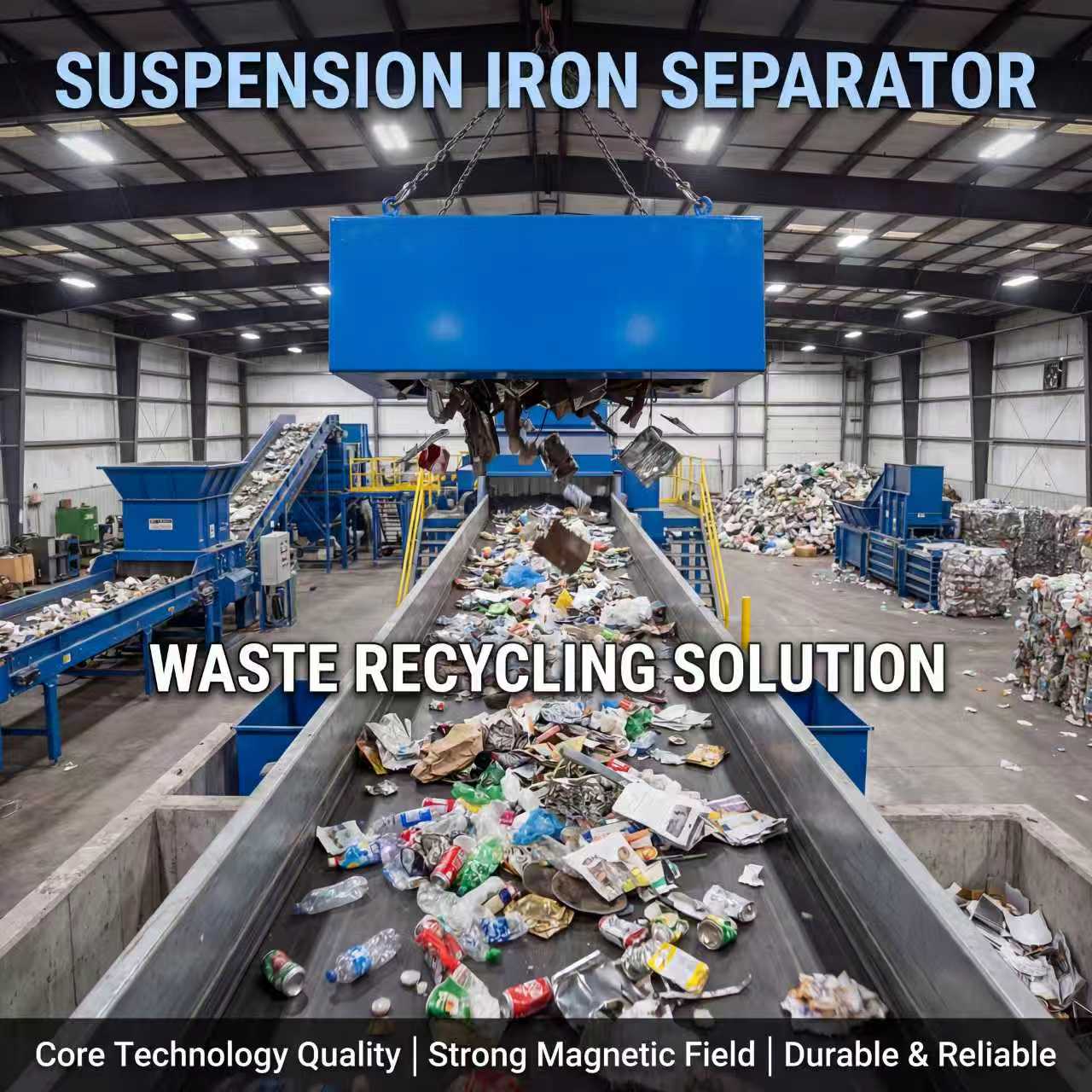
When selecting an industrial recycling magnetic separator, it is crucial to consider the specific application, material being processed, and the desired process purpose. This article will guide you through the key factors to evaluate, ensuring that you choose the most suitable magnetic separator for your recycling operation.
Understanding the Application and Material
The first step in selecting a magnetic separator is to understand the specific application and the material being processed. For example, if you are dealing with ferrous metal contamination in a recycling plant, you need a separator that can effectively remove iron from the waste stream. The type of material, such as its size, density, and flow rate, will influence the choice of the magnetic separator.
Key Operating Conditions and Performance Requirements
Operating conditions, such as the temperature, humidity, and environmental conditions, play a significant role in the selection process. High-temperature environments, for instance, may require special designs to ensure the magnetic separator's performance and longevity. Additionally, the required level of purity and the expected throughput are critical factors. For example, a high-throughput recycling plant may need a self-cleaning magnetic separator to maintain efficiency and reduce downtime.
Parameter Description
Material Type Ferrous or non-ferrous metals
Flow Rate Tons per hour (t/h)
Temperature Ambient or high-temperature conditions
Humidity Dry or wet environments
Purity Level Desired level of metal removal
Technical Specifications and Capabilities
The technical specifications of the magnetic separator, including the magnetic field intensity, the type of magnet (permanent or electromagnetic), and the design features, are essential considerations. Cowinmagnet offers a range of magnetic separators, including overband magnetic separators, suspended permanent magnetic separators, and eddy current separators, each designed for specific applications and operating conditions.
For example, overband magnetic separators are ideal for conveyor belt protection, while eddy current separators are effective for separating non-ferrous metals from waste streams. The appropriate configuration may vary with the specific requirements of your recycling plant.
Cowinmagnet’s Solutions for Industrial Recycling
Cowinmagnet provides a full range of industrial magnetic separation solutions designed for global recycling industries. Our product portfolio includes overband magnetic separators, suspended permanent magnetic separators, self-cleaning magnetic separators, and eddy current separators. These systems are engineered to integrate seamlessly into existing conveyor systems and sorting plants, ensuring efficient and reliable operation.
Our equipment is designed with high-performance rare earth and ferrite magnetic materials, providing strong and stable magnetic force under continuous industrial operation. Learn more about our magnetic separation solutions.
Frequently Asked Questions
What types of magnetic separators are best for recycling plants?
Magnetic separators like overband, suspended permanent, and eddy current separators are commonly used in recycling plants. The choice depends on the specific material and application.
How do I determine the right magnetic field intensity for my application?
The magnetic field intensity should be assessed against the type and size of the ferrous contaminants, as well as the flow rate and material characteristics. Consult with a technical expert for precise recommendations.
Can magnetic separators operate in high-temperature environments?
Yes, some magnetic separators are designed to operate in high-temperature environments. Ensure that the selected model has the necessary heat-resistant features and consult the manufacturer for detailed specifications.
Conclusion: Selecting the Right Magnetic Separator for Your Recycling Needs
Choosing the right magnetic separator for your recycling operation involves understanding your specific application, material, and operating conditions. By considering the key factors discussed in this article, you can make an informed decision that enhances your plant's efficiency and reduces maintenance costs. For more information or to discuss your specific needs, contact us today.